


 308
308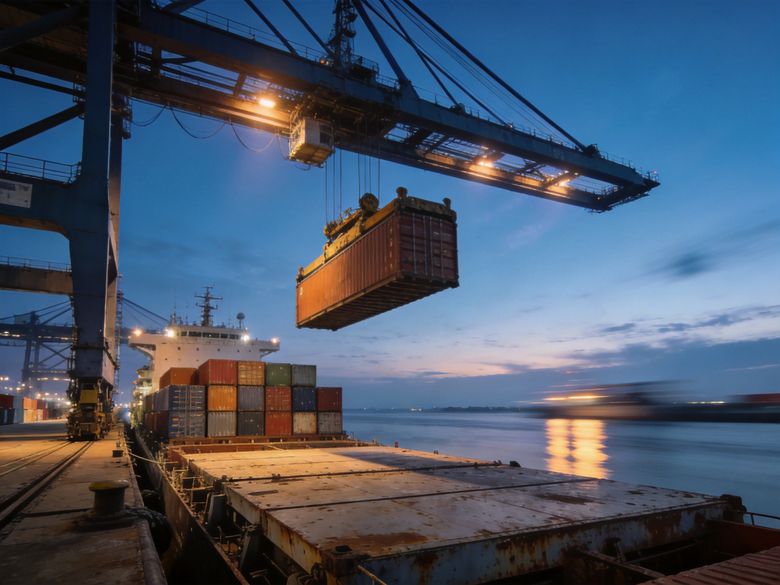
Major OEMs like Nissan Motor continue to optimize their global logistics networks to maintain production efficiency. By leveraging advanced transport management systems and modal shifts, automotive giants are increasingly focused on the circular economy, incorporating recycled materials—such as polyurethane foam scraps—into their manufacturing processes to meet sustainability targets.
The medical-chemical sector in France remains a top-tier importer of technical foam solutions. Companies specializing in soundproofing, insulation, and vibration dampening are actively sourcing raw materials from Asia to support domestic manufacturing demands.
| Company Name | Industry | Primary Focus |
|---|---|---|
| Carpenter Co. (Trilport) | Medical/Chemical | Molded PU Foam |
| Portelli Productions | Industrial Manufacturing | PU Foam Parts |
| Plastiform | Chemical/Insulation | Technical Foam Solutions |
Vietnam and China have solidified their positions as critical suppliers of industrial scrap and chemical components. While regulatory frameworks in Vietnam have tightened to ensure environmental compliance, the export of processed foam materials remains a vital component of the trade lane to France.
Procurement leaders are increasingly utilizing data-driven platforms to identify reliable suppliers. With the rise of "near-shoring" and regional trade shifts, the ability to track shipment frequency and verify buyer legitimacy is paramount for maintaining competitive margins.
The shift toward bonded foam—a product of recycled polyurethane—is gaining momentum in France. This material is essential for the furniture and automotive industries, providing a sustainable alternative to virgin chemical inputs while reducing the overall carbon footprint of the supply chain.
As we move through 2026, the maritime trade landscape will continue to be defined by geopolitical recalibration and a push for supply chain transparency. For businesses operating in the automotive and medical-chemical sectors, the key to success lies in diversifying sourcing strategies and leveraging real-time logistics data to mitigate the risks of port congestion and trade policy shifts.
