


 314
314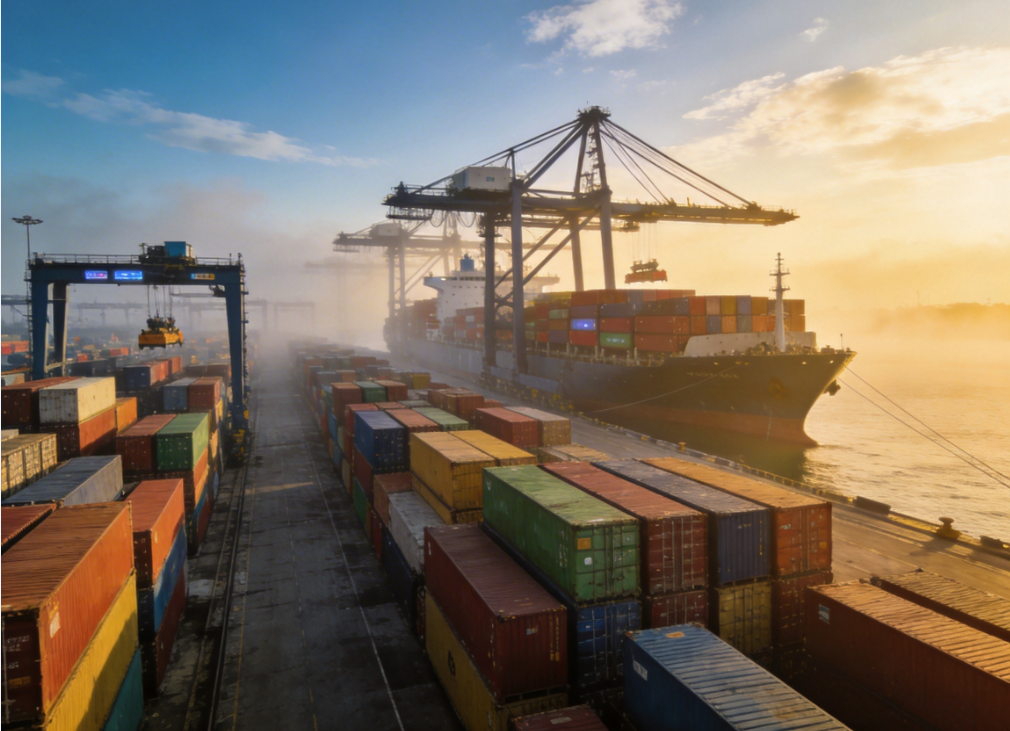
Bridgestone Corporation continues to maintain a massive maritime logistics operation, managing approximately 50,000 containers annually. As a leader in the automotive sector, their supply chain is highly integrated, relying on a complex network of freight forwarders and customs brokers to maintain just-in-time delivery for tire and industrial rubber production. Recent data indicates consistent activity across major trans-Pacific and Atlantic routes, with significant import volumes flowing into North American hubs.
| Buyer/Consignee | Industry | Primary Origin | Activity Level |
|---|---|---|---|
| Bridgestone De Mexico SA de CV | Automotive | Japan/USA | High (Consistent) |
| Retail Consumer Distributors (MX) | Retail_Consumer | China | Rising |
| E-commerce Fulfillment Hubs (MX) | Retail_Consumer | China | High |
Sea freight remains the dominant mode of transport, accounting for 91% of trade volume between China and Mexico. Key Pacific ports like Manzanillo and Lázaro Cárdenas are seeing increased container traffic as companies shift production closer to the North American market. This route is critical for both automotive components and consumer electronics.
As of January 2026, Mexico has implemented tariff increases on over 1,400 tariff lines, specifically targeting non-FTA countries including China. This has significantly impacted the cost structure for automotive parts and consumer goods. Importers are advised to monitor these changes closely as they affect the landed cost of smart electronic scales and industrial components.
The Mexican market for digital weighing scales is projected to grow steadily through 2034. While basic digital scales dominate, there is a growing niche for smart, Bluetooth-enabled luggage scales. These products are increasingly sourced from China, where manufacturing efficiency and integration with mobile apps provide a competitive edge in the retail sector.
The trade landscape between China, the United States, and Mexico is undergoing a structural transformation. Nearshoring is no longer just a trend but a operational reality, with Mexico serving as a vital "connector economy." For B2B sales teams, the focus should remain on identifying high-volume importers in the automotive and consumer retail sectors who are navigating these new tariff realities. Success in this environment requires agility, real-time data monitoring, and a deep understanding of regional logistics hubs.
