
 54 Visitors
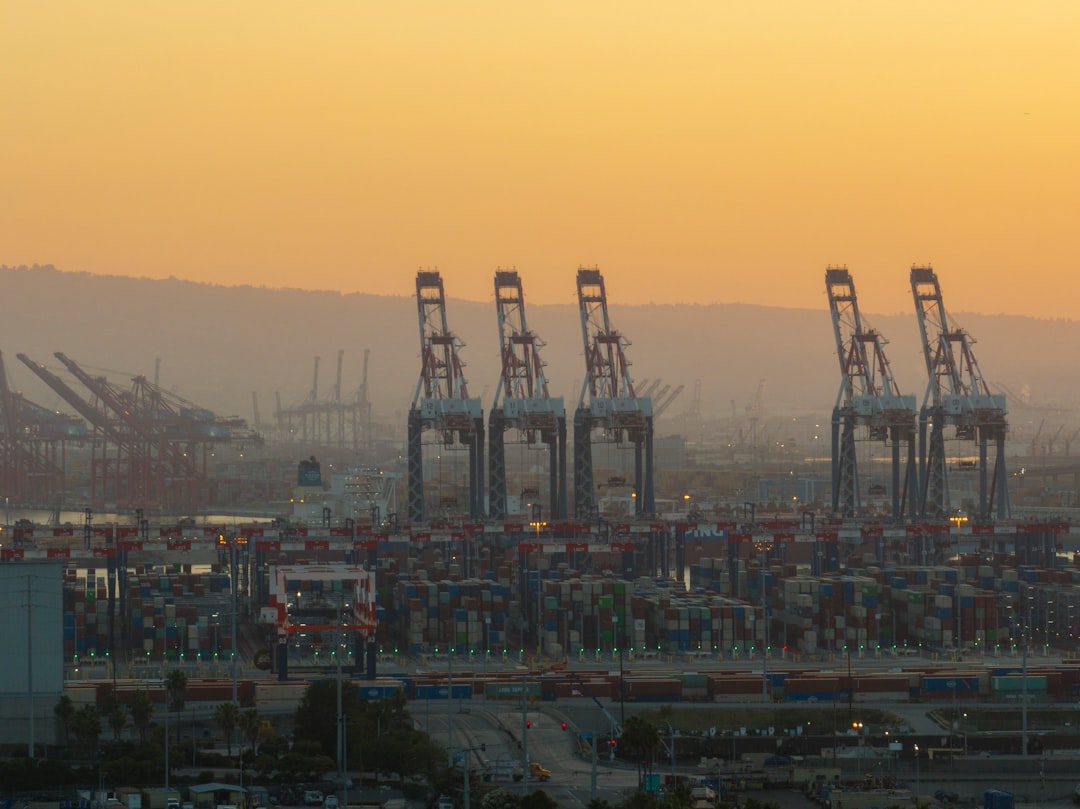
Market Overview: The Pulse of Medical & Electronic Trade
The global maritime landscape is currently witnessing a high-velocity shift in the movement of high-value electronics and medical diagnostic equipment. As supply chains become increasingly digitized, companies like Cisco Systems are playing a dual role: providing the critical IoT and networking infrastructure that powers modern smart ports, while simultaneously managing complex global supply chains for their own electronic components. In the medical sector, the demand for advanced Medical Ultrasound Scanners remains a primary driver for trade lanes connecting manufacturing hubs in Germany and China to high-demand markets like Italy.
Strategic Trade Lane Dynamics
Italy has solidified its position as a critical European gateway for medical technology. With a mature healthcare infrastructure, the country relies heavily on imports to satisfy the needs of its public and private hospital networks. While Germany remains a top-tier supplier of high-end medical devices, China has aggressively expanded its footprint in the ultrasound scanner market, offering competitive solutions that are increasingly integrated into Italian diagnostic centers.
Active Buyers Leaderboard: Italy's Medical Import Hotlist
The following table highlights key entities and market segments currently active in the procurement and distribution of medical imaging technology within Italy. These organizations represent the primary consignees and distributors managing the influx of diagnostic hardware.
| Buyer / Consignee Entity | Industry Focus | Primary Sourcing Region |
|---|---|---|
| LinkMed Srl | Medical Imaging & Ultrasound | Germany & China |
| Medical Horizons | AI-Powered Medical Devices | Germany |
| Ami Italia | Ultrasound Doppler Systems | China |
| Petrone Group | Medical Devices & Logistics | Germany & Global |
Shipping Route Insights: Germany & China to Italy
The German-Italian Corridor
Trade between Germany and Italy remains the backbone of the European medical device market. Logistics providers are increasingly utilizing specialized road and short-sea freight services to ensure temperature-sensitive and fragile diagnostic equipment arrives in optimal condition.
Electronics & IoT: Cisco Systems' Role in Maritime
While Cisco Systems is a leader in electronics, their impact on the maritime industry is primarily through the digitization of port infrastructure. By deploying industrial IoT routers and gateways, Cisco enables ports in Italy and beyond to manage the complex logistics of containerized medical equipment more efficiently.
Digitizing the Supply Chain
The integration of Cisco's networking solutions into terminal operating systems allows for real-time tracking of sensitive cargo. This is vital for importers of high-end medical scanners who require end-to-end visibility from the factory floor in China to the hospital site in Italy.
Volume Alerts & Buyer Activity Trends
Current data indicates a surge in demand for portable and wireless ultrasound technology. Buyers in Italy are prioritizing suppliers that offer not just the hardware, but also the cloud-based diagnostic software and technical support packages that accompany modern medical scanners.
Strategic Procurement Shifts
Importers are diversifying their sourcing strategies. While Germany remains the preferred partner for premium, high-end diagnostic systems, China is capturing significant volume in the mid-range and portable scanner segments, driven by aggressive pricing and improved manufacturing standards.
Market Outlook & Summary
The outlook for 2026 remains bullish for the medical imaging sector in Italy. As the country continues its maritime pivot, strengthening its role as a Mediterranean logistics hub, the efficiency of trade routes from Germany and China will be paramount. Logistics providers and B2B sales teams should focus on the growing demand for "smart" medical devices and the infrastructure required to support them.
References
- Active Buyers & Maritime Logistics Leaderboard
- Sterile Disposable Syringes & Industrial Logistics
- Active Buyers & Maritime Logistics Leaderboard
- Active Buyers & Maritime Shippers Database
- Active Electronics & Security Buyers
- Active Buyers & Maritime Trade Leaderboard
- High-Voltage Transformer Units & Industrial Logistics
- Active Buyers & Maritime Logistics Leaderboard
- Active Buyers & Maritime Trade Intelligence
- Active Buyers & Maritime Logistics Leaderboard