
 89 Visitors
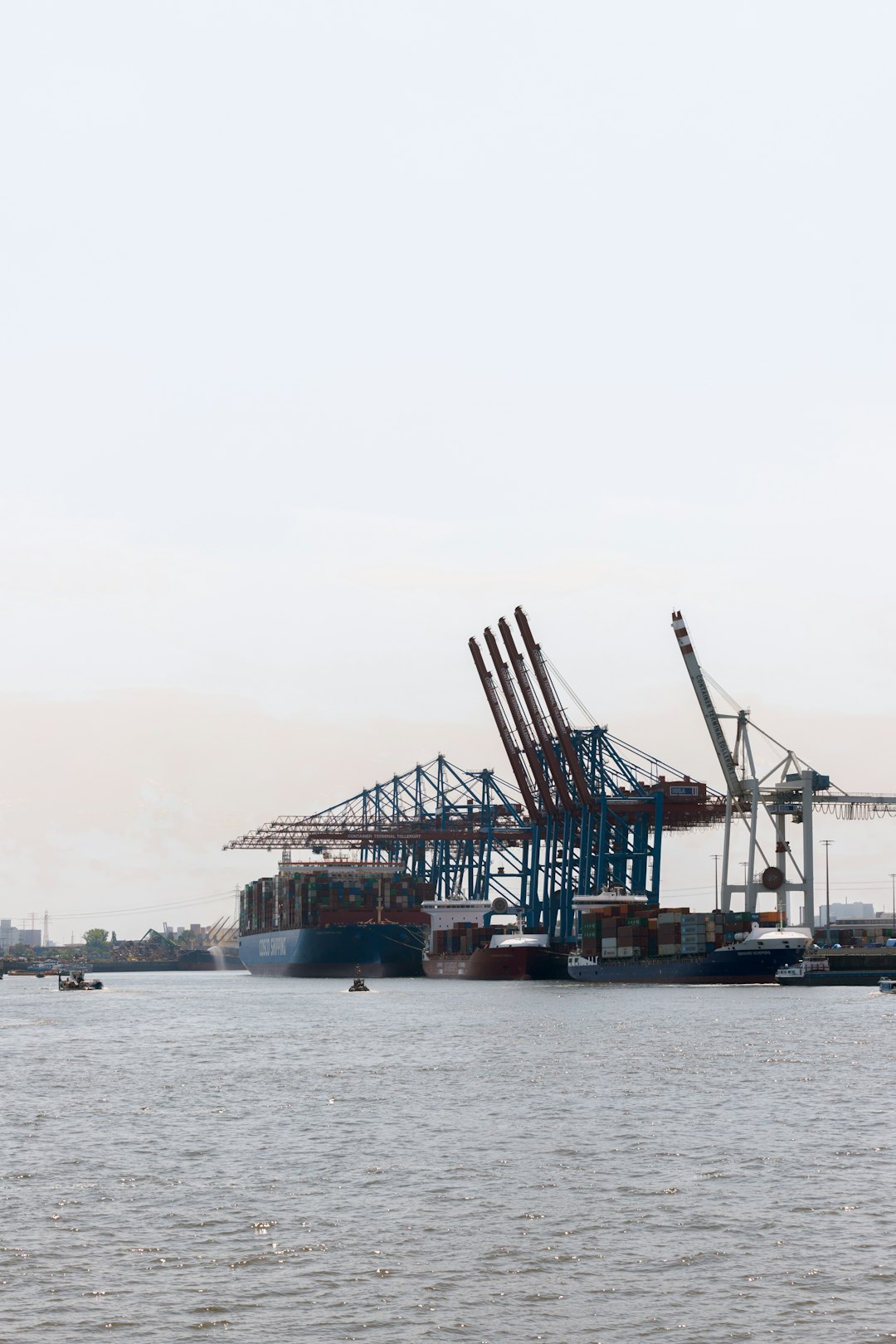
Market Overview: The FPC Supply Chain Pulse
Strategic Importance of Flexible Printed Circuits (FPC)
The global automotive electronics sector is currently undergoing a massive transformation, driven by the electrification of vehicles and the need for high-density, lightweight components. Flexible Printed Circuits (FPC) have become the backbone of this shift, enabling complex wiring in confined spaces for battery management systems, sensors, and in-car multimedia displays.
Regional Trade Dynamics: Taiwan & South Korea to Japan
Japan remains a critical hub for high-end automotive manufacturing, relying heavily on specialized electronic components sourced from regional powerhouses in Taiwan and South Korea. As manufacturers like Robert Bosch GmbH optimize their global supply chains, the maritime flow of FPC components between these nations has intensified to support just-in-time production requirements.
Active Buyers Leaderboard: Japan Maritime Import Hotlist
Top Consignees in the Automotive & Electronics Sector
The following table identifies key entities actively importing electronic components and FPC-related materials into Japan. These organizations represent the primary nodes in the current maritime trade network.
| Company Name | Industry | Primary Import Focus |
|---|---|---|
| Robert Bosch GmbH (Japan Branch) | Automotive | Automotive Electronics & FPC |
| Shimane Jidoki Co Ltd | Electronics | Electronic Components |
| Fujifilm Business Innovation | Electronics | Precision Electronic Parts |
| Korg Inc | Electronics | Specialized Circuitry |
Supply Chain Intelligence: Exporter Profiles
Taiwanese & South Korean Manufacturing Hubs
Taiwan and South Korea continue to dominate the production of high-performance flexible circuits. Manufacturers in these regions are increasingly integrating automated quality control processes to meet the stringent standards required by global automotive leaders like Bosch.
Key Export Trends
The export volume from these regions is heavily influenced by the demand for AI-integrated automotive systems and 5G-ready communication infrastructure. Exporters are pivoting toward high-density interconnect (HDI) FPC solutions to maintain their competitive edge in the Japanese market.
Logistics & Route Optimization
Maritime Shipping Patterns
The maritime route between Taiwan/South Korea and Japan is characterized by high-frequency short-sea shipping. This allows for rapid inventory replenishment, which is essential for automotive manufacturers managing lean production schedules.
Packaging & Integrity Requirements
Given the sensitivity of FPC components to environmental factors, shipping protocols emphasize moisture barrier bags (MBB) and strict electrostatic discharge (ESD) protection. Bosch and other major buyers enforce rigorous packaging guidelines to ensure product integrity during transit.
Market Outlook: 2026 and Beyond
Future Growth Drivers
The electronics sector in Japan is expected to see sustained growth as the automotive industry accelerates its transition to electric and autonomous vehicles. We project that demand for specialized FPC components will continue to rise, with Taiwan and South Korea maintaining their status as the primary suppliers.
Strategic Recommendations for B2B Sales Teams
For logistics providers and component suppliers, the focus should be on building deep, integrated relationships with Japanese automotive OEMs. Providing value-added services such as real-time tracking, specialized handling for sensitive electronics, and flexible shipping schedules will be key to capturing market share in this high-stakes environment.
References
- Active Buyers & Maritime Logistics Leaderboard
- Sterile Disposable Syringes & Industrial Logistics
- Active Buyers & Maritime Logistics Leaderboard
- Active Buyers & Maritime Shippers Database
- Active Electronics & Security Buyers
- Active Buyers & Maritime Trade Leaderboard
- High-Voltage Transformer Units & Industrial Logistics
- Active Buyers & Maritime Logistics Leaderboard
- Active Buyers & Maritime Trade Intelligence
- Active Buyers & Maritime Logistics Leaderboard