
 328 Visitors
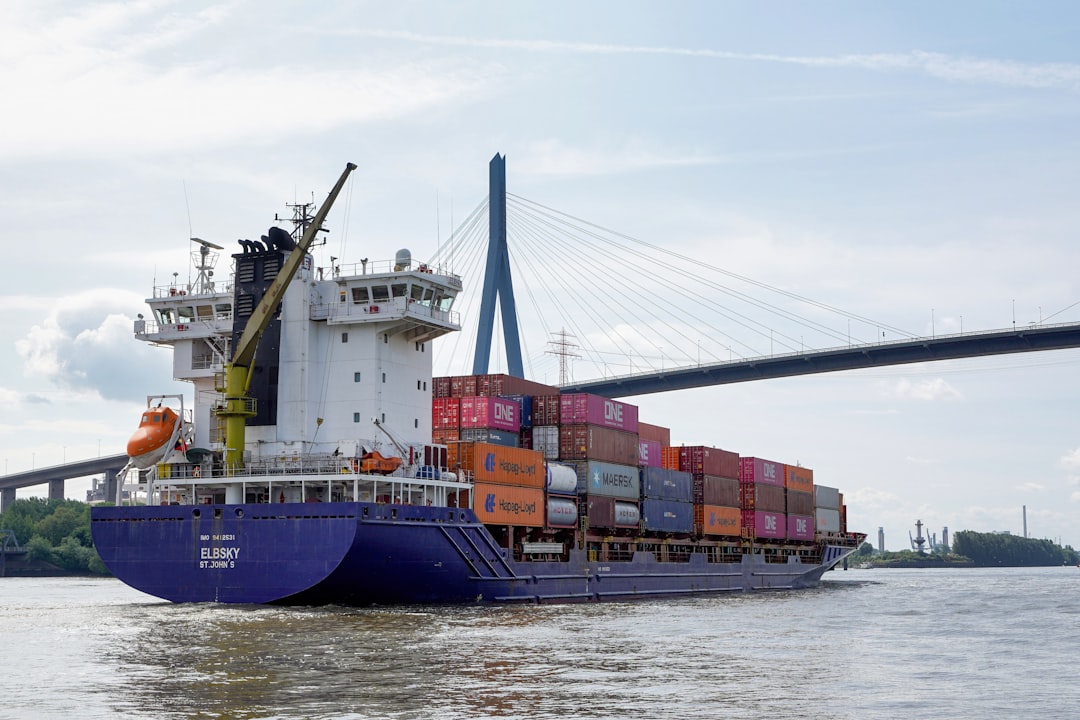
Market Overview: The Automotive Friction Corridor
The global automotive supply chain is currently witnessing a massive realignment, particularly within the friction materials sector. As India solidifies its position as a premier global automotive manufacturing hub, the demand for high-performance components—specifically brake pads—has surged. Our data-driven analysis tracks the critical trade lanes connecting Japan and Taiwan to the rapidly expanding Indian automotive aftermarket and OEM assembly lines.
Strategic Trade Dynamics
India’s automotive sector is experiencing a compound annual growth rate (CAGR) that necessitates a robust influx of high-quality components. While domestic manufacturing is strong, the reliance on specialized friction materials from Japan and Taiwan remains a key driver of the bilateral trade volume. Recent data indicates that auto components, including advanced brake systems, are among the top imports into India from these East Asian manufacturing powerhouses.
Active Buyers Leaderboard: India's Top Consignees
Identifying the most active consignees is essential for logistics providers and B2B sales teams. The following leaderboard highlights key players currently dominating the import volume of automotive components in India.
| Consignee / Buyer | Industry Focus | Primary Import Origin |
|---|---|---|
| Brakes India Private Limited | Automotive Braking Systems | Japan |
| Masu Brakes Pvt. Ltd | Friction Materials / Pads | Taiwan & Japan |
| Fricmart | Automotive & Industrial Brakes | Taiwan |
Volume Alerts & Trade Desk Insights
Industrial Heavyweight Spotlight: Yaskawa Electric
Beyond Automotive: Industrial Motion Control
While the automotive sector focuses on friction components, industrial giants like Yaskawa Electric continue to dominate the maritime landscape through the supply of high-tech electrical drive trains and permanent magnet generators. Yaskawa’s integration into the marine sector—specifically through its acquisition of "The Switch"—positions it as a critical supplier for modern, eco-friendly vessel propulsion systems.
Shipping Route Trends
The Japan-India Corridor
The maritime route from Japan to India is currently one of the most active for high-value industrial and automotive cargo. With India’s "New Southbound Policy" and increasing bilateral trade agreements, we are seeing a shift toward more frequent, smaller-batch shipments of specialized components rather than bulk, low-value commodities.
Market Outlook & Summary
The outlook for 2026 and beyond remains bullish for the automotive component trade. As electric vehicle (EV) adoption accelerates, the demand for specialized, low-noise, and high-durability brake pads will continue to rise. Companies that successfully navigate the supply chains between Japan, Taiwan, and India will likely capture the largest market share in this evolving landscape.
References
- Active Buyers & Maritime Logistics Leaderboard
- Sterile Disposable Syringes & Industrial Logistics
- Active Buyers & Maritime Logistics Leaderboard
- Active Buyers & Maritime Shippers Database
- Active Electronics & Security Buyers
- Active Buyers & Maritime Trade Leaderboard
- High-Voltage Transformer Units & Industrial Logistics
- Active Buyers & Maritime Logistics Leaderboard
- Active Buyers & Maritime Trade Intelligence
- Active Buyers & Maritime Logistics Leaderboard