
 385 Visitors
I. MARKET OVERVIEW: MEDICAL PROTECTIVE GEAR
The Surge in North American Demand
The North American medical protective equipment market, specifically for items like medical protective gowns, is experiencing robust growth. Driven by an aging population and stricter safety regulations, the demand for high-quality, AAMI-compliant isolation and surgical gowns has surged. Canada remains a primary importer, heavily reliant on established supply chains from the United States and Mexico to meet its healthcare infrastructure needs.
II. ACTIVE BUYERS LEADERBOARD
Top Consignees & Shippers
The following table highlights key entities active in the industrial and medical supply chain, including major players like Siemens AG, which maintains a significant footprint in medical technology and industrial infrastructure.
| Company Name | Industry | Primary Activity |
|---|---|---|
| Siemens AG | Industrial_Heavy | Medical Tech & Infrastructure |
| Proteq Medical | Medical_Chemical | Surgical & Isolation Gowns |
| Mediprro | Medical_Chemical | Disposable Medical Supplies |
III. EXPORTER REGION FOCUS: MEXICO & UNITED STATES
Nearshore Manufacturing Advantages
Mexico has emerged as a powerhouse for the production of medical-grade protective apparel. Facilities in regions like Matamoros utilize high-volume manufacturing to supply the North American market. U.S.-based importers and distributors frequently leverage these nearshore routes to maintain supply chain resilience and reduce lead times compared to trans-Pacific shipping.
IV. IMPORTING INTO CANADA: REGULATORY ESSENTIALS
Navigating Health Canada
Importing medical protective gowns into Canada requires strict adherence to the Food and Drugs Act. Importers must secure a Medical Device Establishment Licence (MDEL) and ensure that products are classified correctly (Class I to IV) based on their risk profile. Failure to comply with these standards often results in cargo being held at the border by the Canada Border Services Agency (CBSA).
V. SHIPPING ROUTE INSIGHTS
Optimizing Logistics
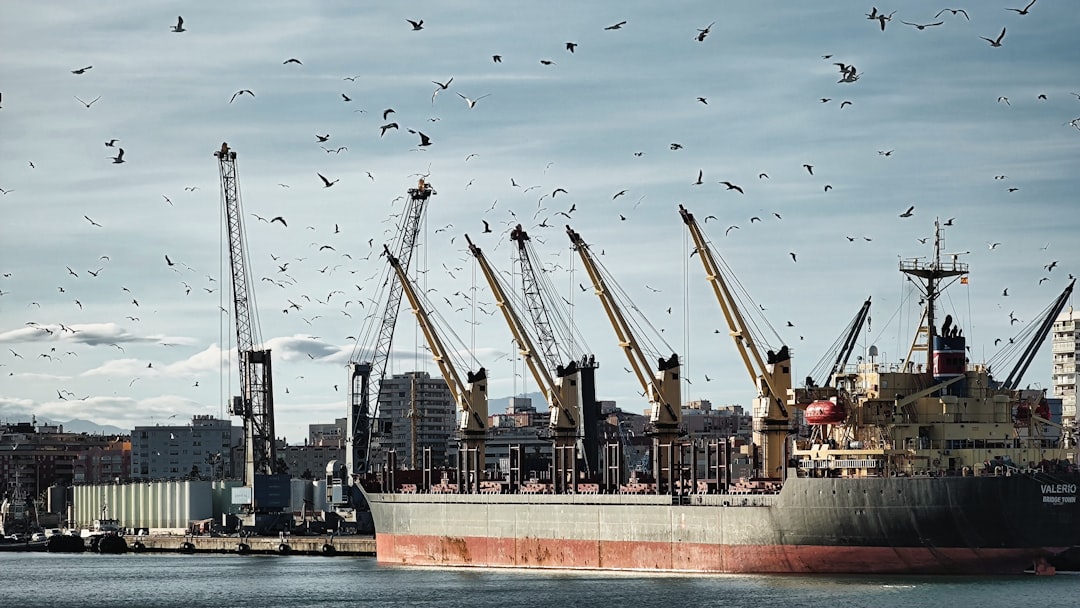
While maritime transport accounts for a significant portion of global trade volume, medical supplies often utilize a hybrid model of truck and rail for North American distribution. Companies like Siemens AG utilize complex, multi-modal logistics to move high-value medical imaging and diagnostic equipment, often alongside essential consumables.
VI. MARKET OUTLOOK & SUMMARY
Future-Proofing Your Supply Chain
The integration of digital twins and smart infrastructure, as seen with companies like Siemens AG, is setting a new standard for the medical device industry. For importers and exporters, the key to success in 2026 and beyond lies in regulatory agility, nearshore sourcing, and the adoption of digital tools to manage the complexities of the North American medical supply chain.
References
- Active Buyers & Maritime Logistics Leaderboard
- Sterile Disposable Syringes & Industrial Logistics
- Active Buyers & Maritime Logistics Leaderboard
- Active Buyers & Maritime Shippers Database
- Active Electronics & Security Buyers
- Active Buyers & Maritime Trade Leaderboard
- High-Voltage Transformer Units & Industrial Logistics
- Active Buyers & Maritime Logistics Leaderboard
- Active Buyers & Maritime Trade Intelligence
- Active Buyers & Maritime Logistics Leaderboard